Democracy: MAN ex-chair urges industrial reforms to boost manufacturing
Categoryeconomy
Published on
June 13, 2026
•20:48

By Rukayat Moisemhe Mr Frank Onyebu, immediate past chairman of the Manufacturers Association of Nigeria (MAN), Apapa branch, Lagos, has urged deeper industrial reforms. He called for massive investments in infrastructure, power supply and an enabling business environment to transform the sector. Onyebu said this would help Nigeria’s manufacturing industryContinue Reading
By Rukayat Moisemhe
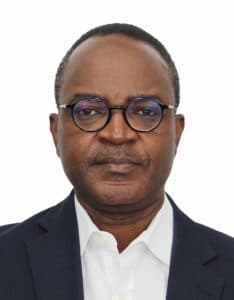
Mr Frank Onyebu, immediate past chairman of the Manufacturers Association of Nigeria (MAN), Apapa branch, Lagos, has urged deeper industrial reforms.
He called for massive investments in infrastructure, power supply and an enabling business environment to transform the sector.
Onyebu said this would help Nigeria’s manufacturing industry maximise opportunities created by 27 years of democratic governance.
He gave the advice on Friday in an interview with the News Agency of Nigeria (NAN), while assessing democracy’s impact.
He urged the government to introduce policies that would make manufacturing more attractive than importing finished goods.
Onyebu stressed the need for sustained infrastructure investment and policy continuity to strengthen industrial growth and competitiveness.
He identified roads, electricity, taxation and policy consistency as critical areas requiring continuous government attention.
The former MAN chairman said democracy had encouraged stronger engagement between government and the private sector.
He said this had led to reforms aimed at improving the operating environment for businesses.
According to him, the liberalisation of the foreign exchange market was among notable reforms supporting manufacturers.
He said the policy had promoted transparency and created a more level playing field for industries.
Onyebu, however, noted that democratic governance had not delivered the industrial transformation needed.
He said manufacturing firms had increased, but the sector’s contribution to Gross Domestic Product (GDP) had declined.
“Manufacturing has grown significantly if you are looking at the absolute numbers.
“There are certainly more manufacturers within the ecosystem, but the GDP contribution shows we are declining,” he said.
On policy consistency, Onyebu said democracy encouraged stable policies but implementation remained a major challenge.
According to him, Nigeria had always developed good policies, but poor implementation had hindered progress.
“There is also the issue of continuity. Incoming administrations often abandon existing policies,” he said.
He explained that such policies were often discarded because new governments preferred their own programmes.
Onyebu described poor infrastructure as one of the biggest challenges facing manufacturers.
He said poor roads affected access to factories, raw materials and markets nationwide.
He added that unreliable electricity supply continued to weaken industrial competitiveness and increase costs.
“Most manufacturers get less than 40 per cent of their energy mix from the national grid.
“Alternative energy sources are expensive, and manufacturers cannot compete with current power supply levels,” he said.
Onyebu said rising production costs and weak consumer purchasing power had affected businesses.
He noted that many manufacturers were facing unsold inventories and shrinking profit margins.
Assessing President Bola Tinubu’s economic reforms, Onyebu said some decisions were difficult but necessary.
He, however, criticised the government’s handling of the cost of governance and public spending.
He said Nigerians were witnessing increased government expenses amid economic pressures.
Onyebu said many manufacturers initially supported fuel subsidy removal due to corruption concerns.
He said they expected savings from the policy to be channelled into infrastructure development.
“Most were disappointed that this did not happen. The effect was reduced consumer demand, leaving products in warehouses instead of reaching markets,” he said.
The former MAN chairman stressed that Nigeria must pursue aggressive industrialisation to create jobs and growth.
“As a nation, we have no choice but to industrialise. We need hundreds of thousands of factories, from small enterprises to large-scale industries,” he said.
Onyebu advocated stronger public-private partnerships to address infrastructure gaps and attract investment.
He said Nigeria’s population and market potential made it attractive for investors.
“Nigeria could become a major industrial hub. Nigeria could become the next big thing. China did it. Nigeria could become the next China,” he said. (NAN)
Edited by Kamal Tayo Oropo